
How Silverstone Turned Into a Four-Day Festival
The British Grand Prix nearly disappeared from the calendar in 2017. Now it draws more fans than any race in Formula 1 history, by selling something far bigger than a ticket to watch cars go round a t

In 2017, Silverstone was losing money. Badly. Attendances had dropped to 139,000, the circuit lost £2.8 million in 2015 and £4.8 million in 2016, and a contractual escalator clause meant the fee payable to Formula 1 was due to rise from £16.2 million to £25 million by 2026. The British Racing Drivers’ Club, Silverstone’s not-for-profit owners, activated a break clause in the contract. Unless a new deal was signed, 2019 would have been the last British Grand Prix.
That deal was eventually signed. But the more interesting story is what Silverstone did next, because the turnaround was not built on cutting costs or negotiating a cheaper F1 fee. It was built on completely reimagining what people were actually paying for.
The early British Grand Prix was once memorably described as three blokes stood on a grassy knoll and a burger van. Over time it became something closer to a motorsport Glastonbury, with music, entertainment, food and facilities transforming the event entirely. This year that transformation reaches its fullest expression yet. The 2026 British Grand Prix runs across four days from Thursday 2 to Sunday 5 July, with the race itself starting at 15:00 BST on Sunday. Last year’s event drew 570,000 fans, the biggest Grand Prix attendance in Formula 1 history, up from 480,000 just three years earlier.
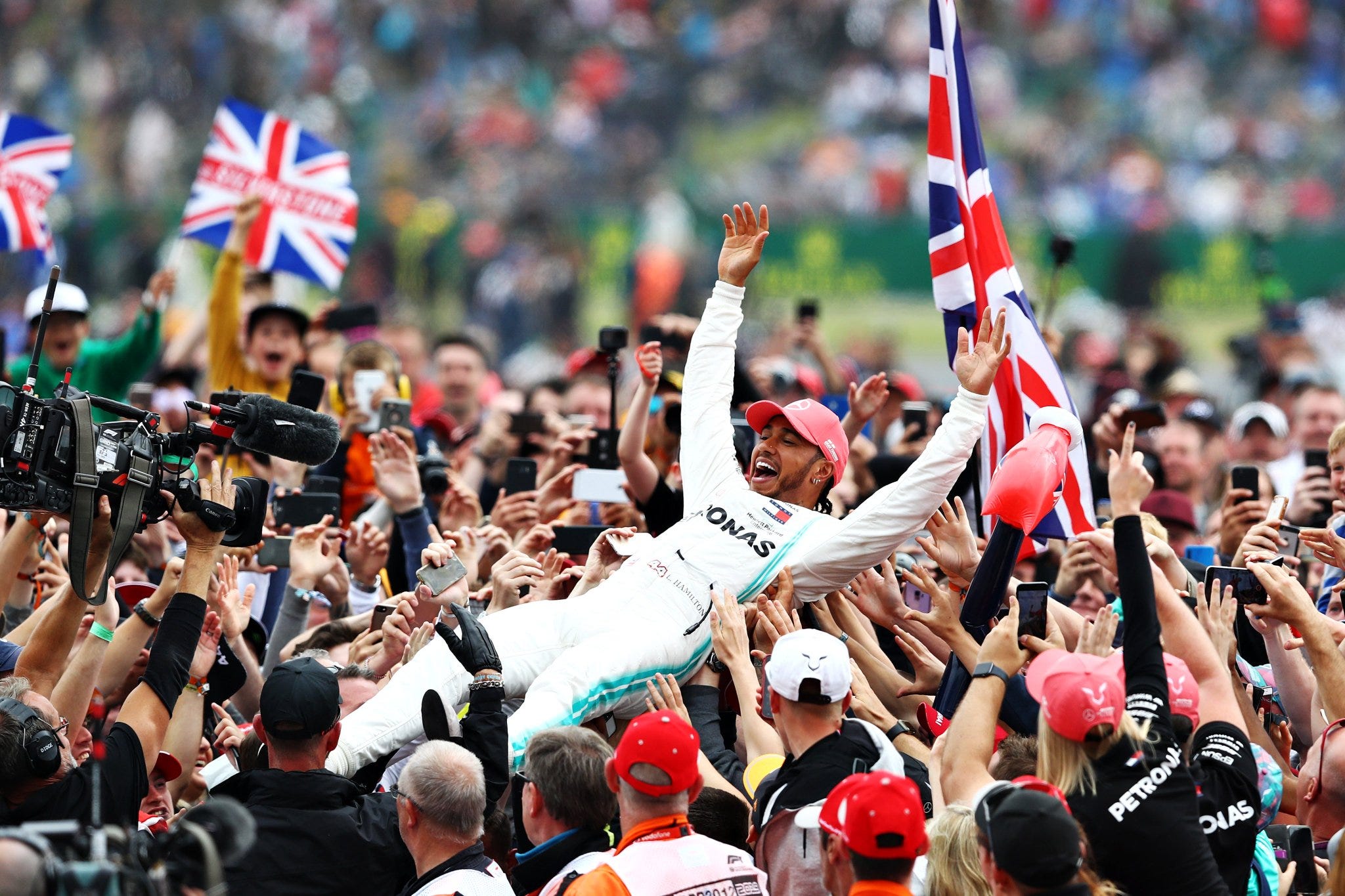
Think about what that growth actually represents. Silverstone’s circuit capacity is around 150,000 fans on any given day, split between roughly 60,000 grandstand tickets and 90,000 general admission. A 570,000 figure across the weekend means Silverstone is not selling one race to one set of fans. It is selling four distinct days, each with its own audience, each paying separately to be there. The race itself is now just one product inside a much larger commercial structure.
Look at what is actually on offer this year. Disney is staging the European debut of its Disney x Formula 1 “Fuel the Magic” campaign at Silverstone, bringing West End theatre performances of The Lion King and Hercules, character appearances from Mickey and Minnie Mouse, and a seven-piece product collection launched specifically for the event. David Guetta headlines the entertainment programme, the Sprint format returns for the first time since 2021, and five British drivers will be on the grid for a genuinely home-crowd weekend. BOXPARK, the UK’s pop-up street food and entertainment brand, lands trackside for the first time, building what Silverstone describes as festival energy rather than simply a viewing area. Silverstone is also hosting CarFest for the first time in 2026, the family motorsport festival founded by Chris Evans that has raised more than £27 million for UK charities over the past thirteen years.
None of that has anything directly to do with racing. All of it has everything to do with revenue.
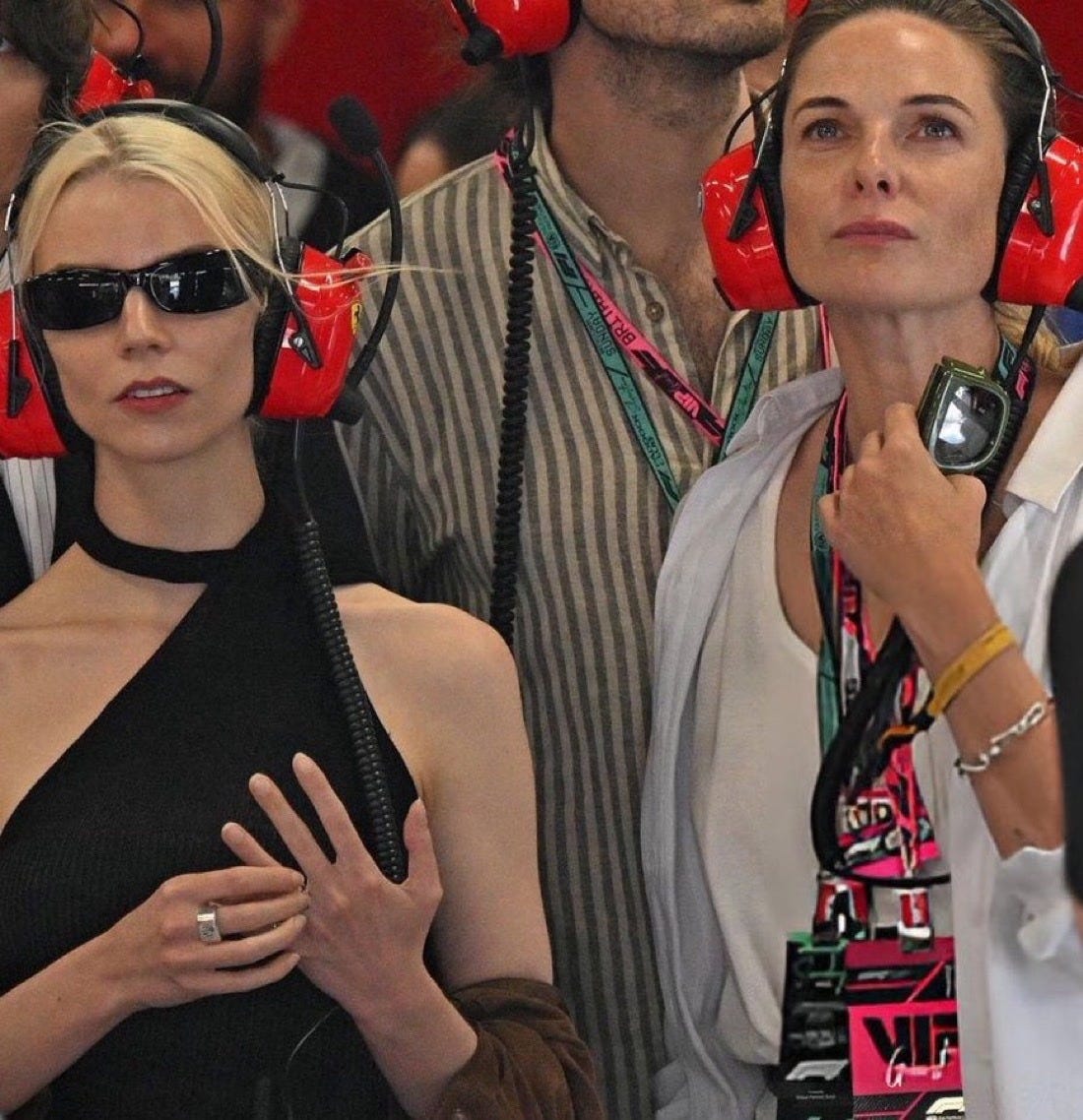
The ticketing strategy reflects the same logic. Silverstone operates under the ownership of the British Racing Drivers’ Club, a not-for-profit organisation, and ticket sales significantly support the circuit’s year-round operations. For 2026, single-day tickets start from £70, with raceday tickets ranging from £229 to £379 and weekend general admission running between £269 and £419. Premium hospitality goes considerably further. The F1 Garage offers an intimate pit lane experience catered by Gordon Ramsay’s restaurant team, with access to celebrities and former drivers included in the price.
For 2026, Silverstone has also introduced reserved seating for the first time, meaning the specific seat a fan books is now assigned to them rather than offered on a first-come basis. Hamilton Straight reserved seats range from £629 to £879 for the full four days. That single change, moving from open seating to a reserved system, tells you something about how confident Silverstone now is in sustained demand. You only build a premium reserved tier when you trust the market will pay for certainty.
Then there is the pricing model itself, which has become one of the more contested aspects of the whole operation. Around 35% of tickets are offered at fixed prices, with Silverstone stating that 57% of fans paid less than the average price for their ticket type last year. The rest are subject to dynamic pricing, where costs increase as demand rises, sometimes by as much as £200 within hours of going on sale. Fans have not been universally happy about it. But the commercial logic is sound. Dynamic pricing rewards the people who commit early and extracts maximum value from the people who do not, all without Silverstone needing to guess demand in advance.
What makes this story worth paying attention to beyond the race weekend itself is the broader principle at work. Silverstone did not save the British Grand Prix by becoming cheaper or smaller. It saved the event by becoming bigger than the thing people thought they were buying a ticket for. A race is two hours on a Sunday. A festival is four days of theatre, music, food, charity fundraising and brand activation, with the race as its single most important moment rather than its only one.
That is precisely the inverse of the Wimbledon model. Wimbledon protects its value by stripping everything back to the essential product and refusing to dilute it. Silverstone protects its value by building outward from the essential product until the race itself becomes one part of something much larger. Two of Britain’s most significant sporting institutions, two completely opposite commercial strategies, both generating record revenue from the same fundamental insight: understand exactly what your audience is actually paying for, and build relentlessly around it.
The Sports Brief take: The race weekend that almost ceased to exist in 2017 is now the biggest Grand Prix attendance in Formula 1 history. Nobody saved Silverstone by making Formula 1 cheaper. They saved it by making the weekend worth more than the race.
If this got you thinking, share it with someone else who follows the business of sport. And if you disagree with the take, hit reply and tell me why.